About Ruwa Local Board
Who Are We
Who Are We
Our Vision
A town of excellence by 2030
Mission Statement
To protect and enhance the quality of life by providing a high level of services in a responsive manner for all the citizens
Our Core Values
- Professionalism – observing set standards in the discharge of duty.
- Integrity – honest, accountability, transparency.
- Loyalty – dedication to duty, commitment & faithfulness
- Effectiveness – doing the right thing at the right time, completing tasks
Statistics
Key insight or Ruwa’Statistics
Lorem ipsum dolor sit amet, consectetur adipiscing elit, sed do eiusmod tempor.
Lorem ipsum dolor sit amet, consectetur adipiscing elit, sed do eiusmod tempor.
Lorem ipsum dolor sit amet, consectetur adipiscing elit, sed do eiusmod tempor.
Lorem ipsum dolor sit amet, consectetur adipiscing elit, sed do eiusmod tempor.
Top Management
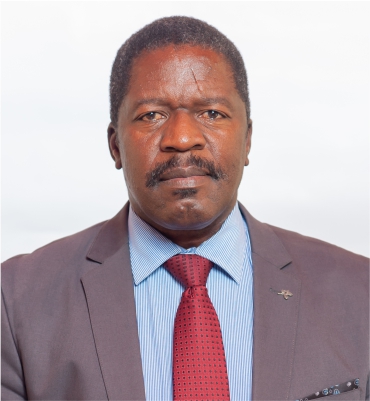
Board Secretary
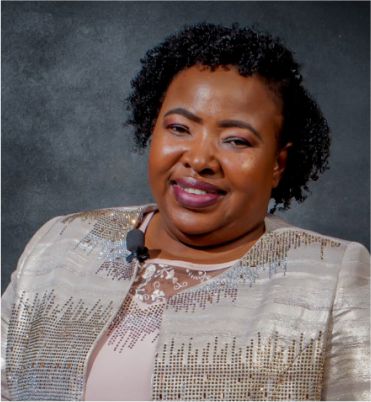
Financial Services Director
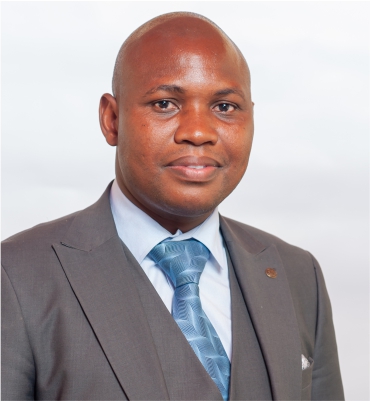
Admin Manager
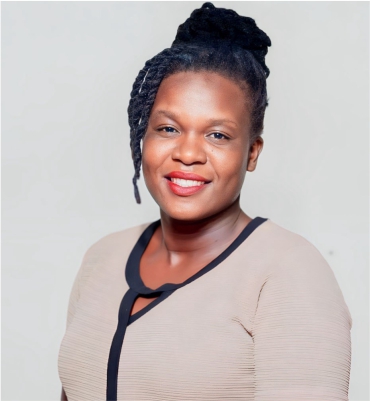
Engineering & Works
More About Ruwa Local Board
Ruwa serves as the gateway to the eastern corridor of Zimbabwe. Since its establishment as a Growth Point in 1986, it has transitioned from a small farming community into a sophisticated urban center governed by the Ruwa Local Board.
Ruwa is located approximately 22 km southeast of Harare along the main Harare-Mutare highway. It has transformed from a small farming service center into a massive urban hub. As of recent 2026 projections, it serves a population exceeding 185,000 residents, making it one of the fastest-growing towns in Zimbabwe.
The town is divided into 9 political wards, each represented by an elected Councilor. The Board is led by a Chairperson and a Town Secretary. This section would list the current office holders and the administrative departments such as Finance, Engineering, and Health.
This section provides vital data on the Water Distribution Schedule, waste management, and road maintenance. Ruwa manages its own water reticulation, drawing from its unique supply systems to ensure that suburbs like Damofalls, Zimre Park, and Windsor Park receive services on a rotating weekly timetable.
Beyond its rapid urban growth, Ruwa is world-renowned for the 1994 Ariel School Phenomenon, an event that attracts international researchers and tourists interested in aerial phenomena. It is also unique for its "private-partnership" development model, where many suburbs were developed through private land developers in coordination with the Board.
Established as a Growth Point in 1986 and granted Local Board status in 1990, the RLB is the administrative body responsible for the town's governance. It operates under the "We Start to Finish" mantra, emphasizing the completion of infrastructure projects to improve the quality of life for its residents.
Ruwa is a critical industrial satellite for Harare. It houses diverse manufacturing sectors including food processing, chemicals, and construction materials. It is a major employment hub for the Mashonaland East province and plays a vital role in the national supply chain due to its location on the Mutare road corridor.
This section provides vital data on the Water Distribution Schedule, waste management, and road maintenance. Ruwa manages its own water reticulation, drawing from its unique supply systems to ensure that suburbs like Damofalls, Zimre Park, and Windsor Park receive services on a rotating weekly timetable.
Beyond its rapid urban growth, Ruwa is world-renowned for the 1994 Ariel School Phenomenon, an event that attracts international researchers and tourists interested in aerial phenomena. It is also unique for its "private-partnership" development model, where many suburbs were developed through private land developers in coordination with the Board.
RLB actively seeks partners for Public-Private Partnerships (PPPs) in areas like renewable energy (solar farms), modern shopping malls, and private healthcare facilities. With its young, growing population, it offers a high-yield market for retail and service-based businesses.